
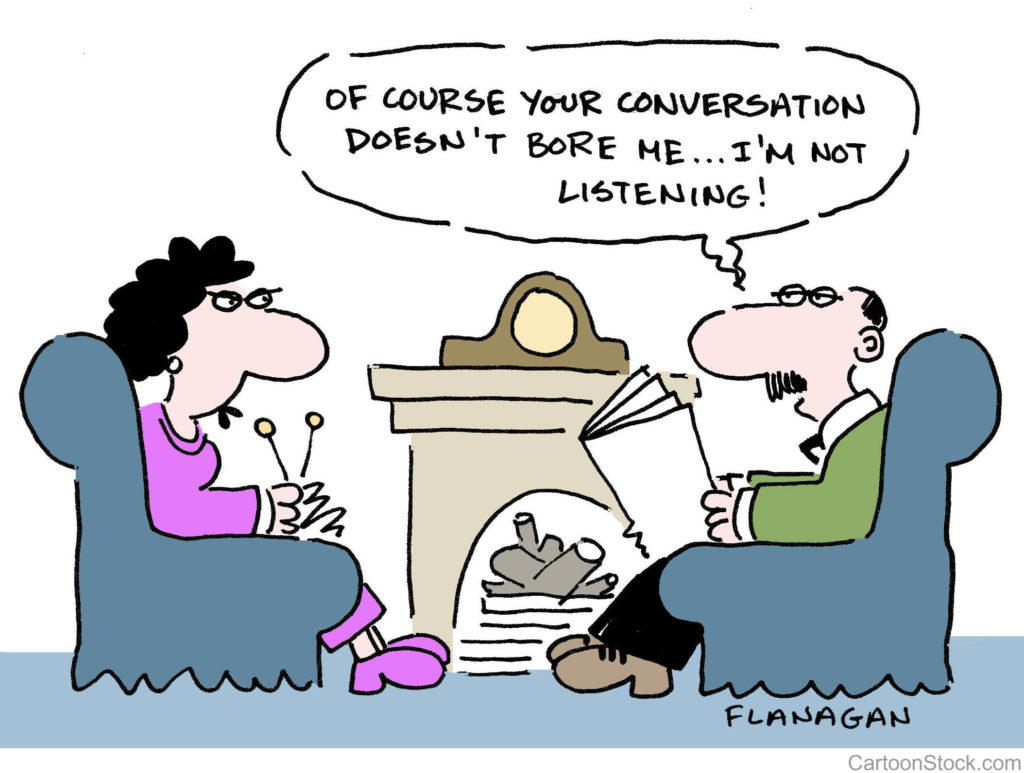
 Here are three “rules of engagement” that will enhance your conversations. Talk about them with those whom you frequently converse with and incorporate them in your dialogues. They can become “verbal shorthand” to improve communication.
Ding
Sometimes a conversation grows stale because we’ve talked too long about one topic.There’s a limit to how long we need to talk about yesterday’s ballgame or the bill the Senate is voting on next week. A conversation often begins to stall but no one takes the initiative to change topics and there’s no mechanism to subtly do so.
Here’s a solution: In our conversations, let’s adopt the term “ding” to indicate a change of topic. It’s reminiscent of clinking the side of a water glass with a spoon; just say, “ding” to let people know you intend to introduce a new topic. If the current conversation is not finished, someone can simply say, “Before we ‘ding’ let me say one more thing…”
Dong
Sometimes, in a conversation, I may sense that someone is sharing a strong, heartfelt opinion or thought—there’s a strong emotional element to what he is expressing.
If I immediately counter his thoughts or start to share my perspective, he may feel that I’m not listening and that I’m dismissing his thoughts. So the proper response is for me to be quiet and simply listen.
But if the conversation ends and I’ve not had the opportunity to share my thoughts, he may think I agree with his position and conclusions. (I can imagine him saying at a later time, “You didn’t say anything so I just assumed you agreed with what I said.”)
So, let’s use the term “dong” when we’re having a conversation in which one person is sharing strong convictions and the other person will be passive and not say much. But that doesn’t mean the quiet one agrees with what is being said.
Either person can “dong” the conversation. At the beginning of the conversation, the person who has something strong to express may say “dong” as if to say, “I need to express my thoughts; please hear me out; if you don’t voice your thoughts about the issue I won’t assume you agree with me.”
Or the person who is listening may plead the “dong-rule” during or at the end of the conversation as if to say, “I want to (or did) listen carefully to what you’re saying; I’m not going to share my thoughts about this topic at this time, but don’t assume my silence indicates my agreement.”
Later
Use this cue to suggest that the topic of conversation be postponed to a later time. The topic does need to be discussed but not here and now.
When the “later” gesture is used, it might be helpful to immediately agree on when the delayed conversation will take place. This is particularly helpful if one person repeatedly defers conversations.
In my family we consider these three expressions to be “terms of engagement”; they are useful conversational tools.
[reminder]What are your thoughts about this essay.[/reminder]



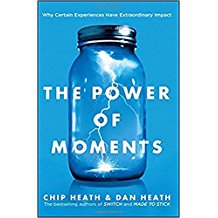 I read a lot; my goal is to read one book a week. Two weeks ago I posted a list of all the books I read in 2017. These were my two favorites.
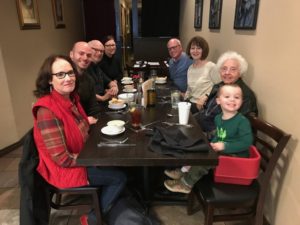 When I was a child we had pot roast every Sunday for lunch. Mom put it in the oven before we left for church and it was ready when we returned. So I have a strong emotional/sentimental connection to the dish. Several years ago I experimented with more than 12 different ways to season and cook a chuck roast and I have perfected the genre. So my favorite meal is to sponsor a carnivore night with family; we often stretch the event to two+ hours. Solomon was right when he said the best thing in life is to eat, drink, and spend time with those you love.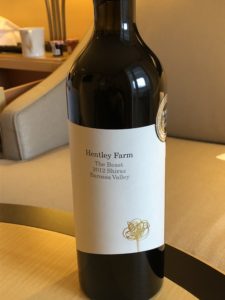
 A couple in my church is training a therapy dog which they bring to worship services. It is a beautiful blonde Golden Retriever. One Sunday I asked where they got their dog and they gave me the name of a local breeder. I called; a new litter had just been born. In October I got a wonderful puppy and named him Buddy. He’s my therapy dog: he’s always happy to see me when I get home; he listens to me intently and doesn’t interrupt; he prefers hamburger over lobster. He gives me joy.
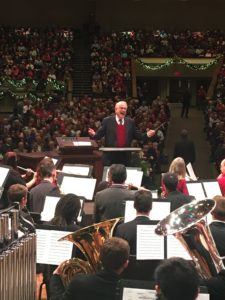
 My church, Stonebriar Community Church, sponsors Center Stage Concerts in which a limited audience (250 people) sit in close proximity to the musicians. In October we hosted the UNT choir, directed by Professor Allen Hightower. It was splendid. Many people have never heard the sounds we were fortunate to hear. Choral singing at its best.
 Best fun experience
 This is our third connective year to sail on this mid-December transatlantic cruise from London to New York City. I want to do this trip every year until I die. It is seven days at sea so there’s nothing to do but read, write, think, and attend lectures—but those are my favorite things to do so I’m in nirvana.
 I’ve always wanted to have my own vineyard. The challenge has been where to plant it. This year my daughter and son-in-law bought a large lot on Cedar Creek Lake and started building a lake house. They have graciously allocated a 50×60 plot for a vineyard. We’ll grow Blanc du Bois, Black Spanish, and Tempranillo.
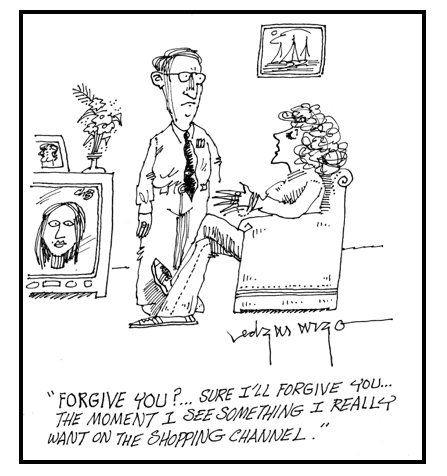 To forgive is to set a prisoner free and discover that the prisoner was you. —Lewis Smedes