
 I often meet people who have entered their personal intellectual ice age. Permafrost has gradually anesthetized their curiosity and their pursuit of knowledge has stalled.
Of course, some people have never gotten their mental engine up and running. But others have and not sustained it.
Here are some pitfalls to avoid.
Some people reach an intellectual pinnacle but then push the pause button.
I have a friend who is a physician—a good physician—who punched the pause button on his personal development about twenty years ago. I can only imagine how sharp-witted he was when he earned the post nominal “MD,” but having achieved that notable goal, he has since coasted through life. John Maxwell calls this “destination disease”—we reach a desired point in life (graduate from college, start a successful business) but then cease growing.
Some people know a lot about one particular area and they continue to grow in that one area, but they have not expanded to other areas.
I have a friend who is an accomplished accountant. He stays current in his field, but it’s the only field he plows. He has no other interests in life, no hobbies. His curiosity has atrophied. He needs to develop the first part of Thomas Huxley’s suggestion, “Try to learn something about everything and everything about something.”
The best antidote for intellectual atrophy is to read.
- Warren Bennis said, “One of the marvelous things about life is that any gaps in your education can be filled, whatever your age or situation, by reading, and thinking about what you read.”
- Mark Twain observed, “Those who do not read have no advantage over those who cannot read.” (I would add: but those who do read are better off than those who can read but do not.)
- Twyla Tharp said, “Reading is your first line of defense against an empty head. I read for a lot of reasons, pleasure being the least of them.”
- Sam Harris says, “We read for the pleasure and benefit of thinking another person’s thoughts.”
Click here to see an essay I wrote entitled How to Learn from Reading.
In addition to reading, there are many other ways to stay fresh and vital. I wrote a monograph titled Lifelong Learning—Why it’s more important and doable than you think – and would like to give you a free digital copy. Click here to download Lifelong Learning – Don McMinn.
A commitment to lifelong learning is essential for leaders. Bennis and Nanus studied ninety top leaders from a variety of fields and they discovered that, “It is the capacity to develop and improve their skills that distinguish leaders from their followers. Successful leaders are learners.”
You don’t want your tombstone to read: Died, age 45. Buried, age 75.
[reminder]What are your thoughts about this essay?[/reminder]
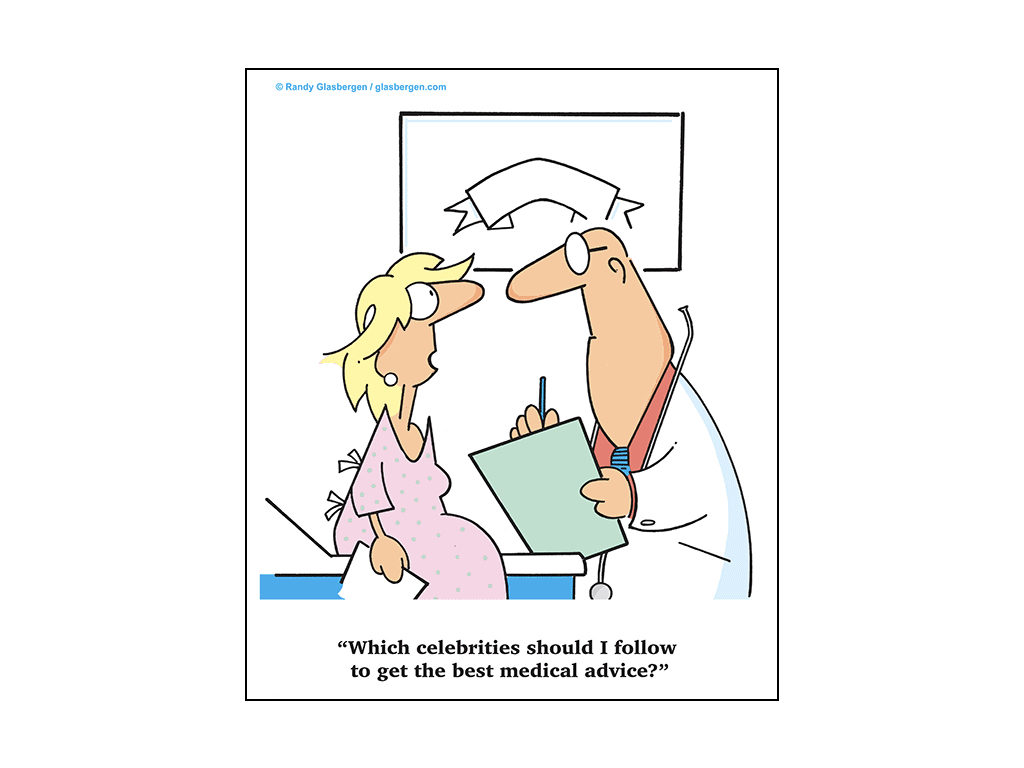 Feedback is a gift, so I want to hear what people are thinking and feeling about my organization and my leadership. I have multiple feedback mechanisms in place to make it easy for stakeholders to share with me their thoughts.
 I haven’t been everywhere, but it’s on my list. Susan Sontag
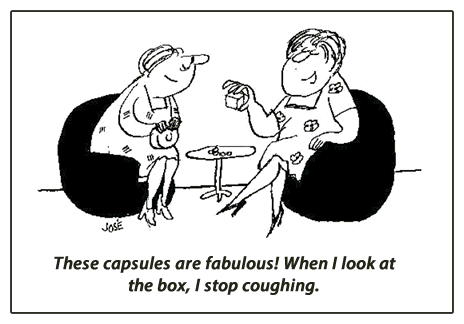 A placebo, most often used in drug studies, is used in clinical trials to test the effectiveness of treatments. For instance, people in one group get the drug being tested, while the control group receive a fake drug, or placebo, that they think is the real thing. This way, the researchers can measure if the drug truly works by comparing how both groups react. If they both have the same reaction — improvement or not — the drug is deemed ineffective. [Harvard Health Publications, May, 2017]